Storm damage can hide even on tough, impact-resistant roofs. A quick inspection after severe weather can help prevent costly repairs. Here's what to do:
- Safety first: Avoid climbing on wet or steep roofs. Use binoculars or a drone for a safer view.
- Look for visible damage: Check for cracked shingles, dents, or debris from the ground.
- Inspect gutters: Granule buildup or dents may signal roof damage.
- Check indoors: Water stains, mold, or daylight in the attic indicate leaks.
- Document everything: Take clear photos for insurance claims.
If damage looks severe or unsafe to inspect, call a professional roofer immediately. Acting fast can save you thousands in repairs.
Roof Inspections After A Massive Hail Storm For Insurance Claims
Safety First: Stay Safe During Roof Inspections
Your safety should always come first when inspecting your roof. According to the National Safety Council, more than 6,000 people in the U.S. are injured each year from falls off roofs, with many of these accidents happening during post-storm inspections. The CDC also highlights that falls are the leading cause of fatal injuries in construction, and roof-related incidents are a significant contributor to these statistics.
In most cases, you can spot roof damage from the ground. For more dangerous or detailed inspections, it's best to leave the job to professional contractors who have the right tools and training.
Basic Safety Rules for Roof Inspections
Avoid climbing onto a wet, icy, or steep roof. Slippery surfaces significantly increase your risk of falling. Always wait until the roof is completely dry and free of debris before attempting any type of inspection.
Start by walking around your property and inspecting the roof from the ground. A pair of binoculars can help you get a closer view of potential issues like missing shingles, damaged flashing, or debris - all without the risk of climbing.
If accessing the roof is absolutely necessary, make sure to wear proper safety gear, including non-slip shoes, gloves, safety glasses, and a hard hat.
A safer alternative? Use a drone equipped with a camera to perform a detailed inspection. Drones can capture high-resolution images and videos, even of hard-to-reach areas, without putting you in harm's way. This is especially helpful for roofs with steep angles or complex designs.
When using a ladder, ensure it’s properly rated, placed on stable ground, and always have someone nearby to spot you. Avoid overreaching or leaning too far to one side.
Finally, document everything with photos. Take pictures from the ground or other safe vantage points. These images will be invaluable for insurance claims and when discussing repairs with professionals.
For situations where these precautions aren’t enough, it’s time to call in the experts.
When to Call for Emergency Help
Some roof issues are simply too dangerous to handle on your own and require immediate professional intervention. For example:
- Active water leaks near electrical systems pose a risk of electrocution. Never attempt to inspect or fix these areas without proper training.
- Sagging or unstable structures suggest the potential for a roof collapse. Stay clear of any areas that appear to be dipping, bowing, or uneven, and contact emergency services right away.
- Downed power lines or exposed electrical wiring near your roof create life-threatening hazards. Keep everyone at a safe distance and call your utility company’s emergency line immediately.
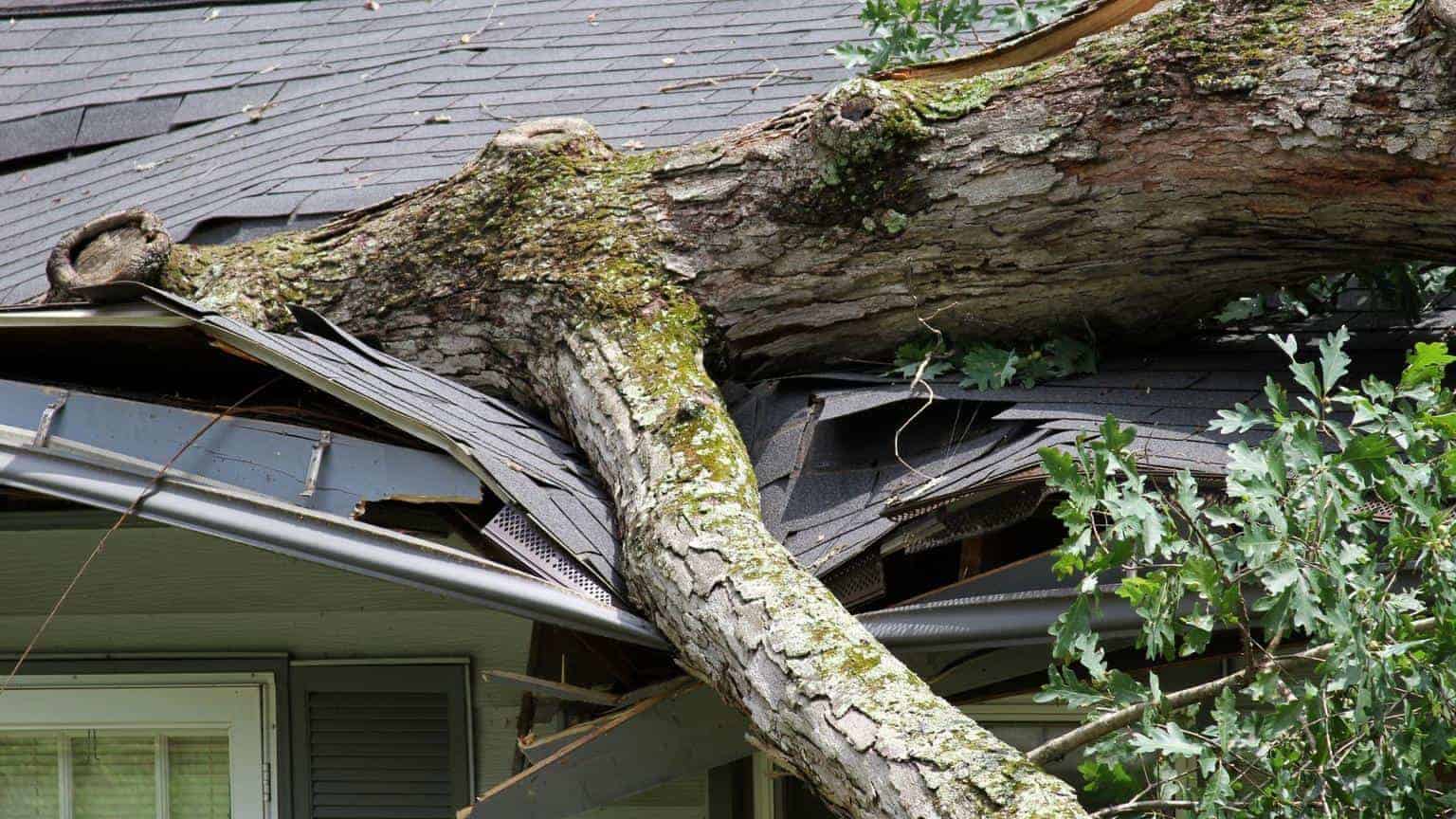
- Large tree limbs or heavy debris resting on your roof can shift unexpectedly, causing further damage or injury. These require professional equipment and expertise to remove safely.
If at any point during your inspection you feel unsteady, dizzy, or unsafe, stop immediately and get to solid ground.
Experienced professionals, like Old World Roofing, are equipped with specialized safety gear and follow strict protocols to handle these kinds of high-risk situations. With nearly 50 years of experience in Colorado, they’re trained to spot hazards that homeowners might overlook and provide 24/7 emergency response when your safety is at risk.
Keep in mind that many roofing contractors offer free or no-obligation inspections after storms. This not only removes the physical risks for you but also ensures that both visible and hidden damage is identified by trained experts. By following these safety tips, you can protect yourself while ensuring your roof gets the attention it needs.
Outside Inspection: Check for Visible Damage
Once it's safe, start with a thorough visual inspection of your roof's exterior. Begin from the ground to ensure your safety, and aim to complete this assessment within 24–48 hours after the storm. This timeframe helps ensure accurate documentation and allows you to address any damage promptly. Walk around your property to get a clear view of potential problem areas.
Walk Around Your Property to Spot Damage
Take a full walk around your property, inspecting your roof from different angles. Storms can affect various parts of the roof differently, so it's important to check all four sides. Standing at the corners of your property can give you the best vantage points to spot potential issues.
Keep an eye out for missing, cracked, curled, or creased shingles. Wind damage often leaves behind diagonal patterns, and you might also notice lifted or bent shingle tabs, which can indicate wind intrusion.
Look for fallen tree limbs or debris on or near your roof. Even small branches can cause punctures or scrapes that may not be visible from a distance. Check the ground around your home for shingle granules, which look like coarse, colored sand. According to the National Storm Damage Center, hail causes over $1 billion in property damage annually in the U.S., with roofs being the most commonly affected part of a home. A heavy accumulation of granules after a storm is a strong sign of hail damage and increased shingle wear.
Hail damage often appears as circular dents on soft metals like vents, gutters, or flashing. Shingles may show "bruised" spots that feel soft when pressed. If you notice similar dents on your car, siding, or outdoor furniture, your roof likely sustained similar impacts.
Check Your Gutters and Downspouts
Your gutters and downspouts can provide valuable clues about your roof's condition. Look for excessive granule buildup in the gutters, which appears as sandy, gritty material. This can indicate significant shingle damage.
Inspect the gutters for dents, bends, or sections pulling away from the fascia. Hail often leaves circular impressions on aluminum gutters and downspouts. Some professionals use a chalk test to make these dents more visible.
Also, check for clogs caused by leaves, twigs, or roofing debris. Blocked gutters can lead to water backing up, which might damage the roof's edge or create other problems like ice dams in colder weather.
Ensure that water is draining properly where the gutters connect to the downspouts. If you notice water pooling near your foundation, it could mean the downspouts are clogged or damaged, preventing proper drainage.
After assessing these structural components, document your findings for insurance purposes.
Take Photos for Insurance Claims
Good documentation is essential for insurance claims and future reference. Start by taking wide-angle photos from each corner of your property to capture the overall condition of your roof. These shots provide context for any specific damage you document later.
Follow up with close-up photos of damaged areas. Make sure these images are clear and well-lit, and include reference points like windows or distinctive roof features to help insurance adjusters identify the affected areas.
Photograph your gutters and downspouts, especially if you notice granule buildup or visible damage. Don’t forget to document debris on the roof or around your property, as well as secondary damage like dents in siding or outdoor equipment.
Keep a detailed log of the time, date, and location for each photo. This timeline supports your insurance claim and helps contractors assess the necessary repairs. Store these photos in multiple places - such as on your phone, in cloud storage, and via email - to ensure you don’t lose this vital evidence.
Many insurance policies have strict deadlines for reporting storm damage, so acting quickly and documenting everything thoroughly can make a big difference in the outcome of your claim.
Roof Surface and Parts Inspection
Once you've noted visible damage from the ground, it's time to inspect the roof's surface and its components for less obvious issues. Even impact-resistant roofing materials, designed to handle severe weather, can sustain damage that isn’t immediately apparent. A thorough inspection ensures you catch these hidden problems early, potentially saving you from costly repairs later. Focus on examining individual roofing materials and critical components to get a complete picture of the storm's impact.
Look for Damage on Roofing Materials
Each type of roofing material reacts differently to storm damage, so knowing what to look for is key to identifying problems before they escalate into major expenses. For asphalt shingles, granule loss is a major red flag. While the roof might look fine from a distance, significant granule loss can shorten the life of the roof by up to 40% - making early detection essential.
When inspecting asphalt shingles, check for bruised or soft spots that feel spongy under light pressure. Look for shiny areas where granules have been knocked loose, exposing the underlying mat - these are often signs of hail impact. While missing, curled, or cracked shingles are easier to spot, the less obvious issues, like granule loss or bruising, can be more damaging over time.
Metal roofs tend to show storm damage through dents or punctures, especially from hail. Look for circular impact marks and panels that may have shifted due to high winds. Using binoculars can help you spot these smaller dents, which might not be noticeable from the ground.
Tile roofs bring their own challenges, as damage often appears as broken, chipped, or displaced tiles. Even small cracks can allow water to seep through, so inspect each visible tile carefully. Misaligned tiles may indicate wind damage, which can compromise the roof’s ability to protect your home.
Check Flashing, Vents, and Ridge Caps
After inspecting the roofing materials, turn your attention to the smaller but equally critical components of your roof. These areas are particularly vulnerable to storm damage and often play a key role in maintaining the roof's integrity.
Start with ridge cap shingles, which are highly exposed and prone to impact and wind damage. Look for torn, missing, or lifted sections along the roof’s peak. Wind can easily get under loose ridge caps, potentially leading to further roof damage.
Next, examine flashing around chimneys, walls, and valleys. Damaged flashing often shows signs of bending, rust, or separation. Check for joints that have pulled away from their original positions, as these can lead to leaks even if the main roof surface seems intact.
Inspect vents and pipes for dents, cracks, or movement that could compromise their seal with the roof. Plumbing vents, exhaust fans, and other penetrations often bear circular dents from hail. Ensure these components remain securely attached and properly sealed at their bases.
| Roof Component | Common Storm Damage Signs | Focus Areas |
|---|---|---|
| Asphalt Shingles | Bruises, granule loss, cracks | Soft spots, shiny areas, exposed mat |
| Metal Roofs | Dents, displaced panels | Circular impact marks, panel alignment |
| Flashing | Bending, rust, separation | Chimney connections, valley joints |
| Vents & Ridge Caps | Dents, cracks, missing sections | Secure attachment, seal integrity |
It's important to note that many leaks originate at penetrations and terminations, not the main roof surface. Pay close attention to areas where different materials meet, such as where flashing connects to shingles or where vents penetrate the roof.
Be sure to document any damage you find with clear, detailed photographs. Include both wide shots for context and close-ups of specific problem areas. These photos are invaluable for insurance claims and will help roofing professionals assess the extent of repairs needed when restoration begins.
sbb-itb-82bdcb5
Inside and Attic Inspection
Once you've examined the exterior of your roof, it's time to head indoors. This step often reveals weather-related damage that might not be visible from the outside. Checking inside can uncover issues like water infiltration, mold, or structural concerns that could lead to bigger problems if ignored.
Interior inspections are especially important because some issues, like small leaks or underlayment problems, might not leave obvious signs on the exterior. Conducting this check soon after a storm can help you identify leaks early and reduce the risk of extensive water damage. Together with your exterior inspection, this step ensures you don't miss hidden trouble spots.
Find Signs of Water Damage
Start by scanning ceilings and upper walls for water stains or discoloration, which are common indicators of roof damage. Look for brown or yellow rings, dark spots, or areas with peeling or bubbling paint. These stains might appear in irregular or circular shapes and could be accompanied by a damp or musty smell.
Pay close attention to areas beneath roof penetrations like chimneys, vents, and skylights. These spots are more prone to leaks due to potential flashing or seal damage. Water intrusion here often leaves telltale stains on nearby ceilings or walls.
In the attic, keep an eye out for wet insulation, stains on rafters or roof decking, visible drips, puddles, or daylight peeking through the roof structure. Saturated or compressed insulation loses its effectiveness, while darkened wood on rafters or decking points to moisture exposure. Rusted nails are another clue that moisture might be an ongoing issue.
Mold can develop quickly - sometimes within 24 to 48 hours of water intrusion. Watch for black, green, or white fuzzy growth on wood, insulation, or stored items. Mold on rafters or insulation typically signals a persistent leak that requires immediate attention. Additionally, check for sagging or warped ceilings and roof decking, as these could indicate long-term water damage affecting the structure.
Use a Flashlight for Better Inspection
A strong flashlight is a must for inspecting the attic, where low light can make subtle damage hard to spot. Shine the light on beams, rafters, and under insulation to reveal signs of moisture, discoloration, or mold that might otherwise go unnoticed.
Pay extra attention to attic joints, particularly where the roof meets walls or flashing connects to decking. These areas are common weak points. Look for darker patches on the wood or water droplets reflecting the light. Also, check for daylight shining through roof boards - small gaps or pinpricks of light could indicate holes or missing shingles, leaving your roof vulnerable to leaks.
If you find active leaks, take immediate action. Use buckets or tarps to contain the water and call a professional roofer right away. Be sure to document any damage with clear photos. According to the Insurance Information Institute, around one in 50 insured homes in the U.S. files a property damage claim for water damage or freezing each year, with the average claim exceeding $11,000. Catching these issues early can save you from costly repairs down the road.
When to Call a Professional Roofer
After completing your own inspection, there are certain roofing issues that absolutely require professional expertise. Bringing in specialists not only prevents further damage but also ensures your safety.
Problems That Need Professional Help
Some roofing problems are simply too complex or dangerous to handle on your own. Here’s when you should call in the pros:
- Structural issues like sagging rooflines or bowed trusses are serious red flags. These could point to foundational problems that need immediate attention to avoid worsening damage.
- Widespread shingle damage or loss isn’t something you can easily fix yourself. While spotting a few loose shingles is one thing, significant damage across multiple areas calls for professional evaluation to determine whether repair or full replacement is necessary.
- Complex roofing systems - like multi-level roofs, metal or tile materials, or roofs with multiple penetrations - often hide damage that only trained eyes can detect. These systems are more intricate, and their vulnerabilities aren’t always obvious.
- Active leaks or interior flooding need immediate attention. If water is already making its way inside, or if you notice decking damage or fallen tree limbs on your roof, it’s time to act fast.
- Electrical hazards caused by storm damage, such as exposed wiring or water near electrical fixtures, require urgent help. In these cases, it’s not just about your roof - your safety is at risk. Always prioritize calling both emergency services and professionals.
Roofing experts use advanced tools like moisture meters, infrared cameras, and drones to uncover damage that isn’t visible to the naked eye. Ideally, professional inspections should happen within 48 to 72 hours after a storm to minimize further damage and streamline insurance claims processing.
Why Choose Old World Roofing for Roof Inspections

When it comes to professional roofing services, Old World Roofing stands out as a trusted local expert. With nearly five decades of experience, an A+ rating from the Better Business Bureau, and certifications like Owens Corning Platinum Preferred Contractor and CertainTeed Master Shingle Applicator, they bring unmatched expertise to every inspection.
Here’s what makes them a go-to choice:
- Free inspections and 24-hour emergency response ensure they’re there when you need them most.
- Their comprehensive storm damage assessments include assistance with insurance claims, helping homeowners navigate the often complicated process of documenting damage and working with adjusters.
- Repairs come with factory-backed warranties of up to 20 years, giving you peace of mind about the quality and longevity of their work.
- Their team undergoes specialized training to spot subtle damage that less experienced contractors might overlook.
For owners of historic properties, Old World Roofing offers specialized restoration services tailored to the unique materials and requirements of older homes. They also excel in metal roof installation and are equipped to handle any roofing system common in Southern Colorado.
Their deep understanding of the region’s weather patterns, building codes, and insurance requirements ensures thorough inspections and accurate assessments. With Old World Roofing, you’re not just getting a service - you’re investing in the long-term protection of your home.
Conclusion: Protect Your Home with Quick Roof Inspections
Checking your roof within 24–48 hours after a storm can save you from expensive repairs. The Insurance Information Institute reports that wind and hail damage made up nearly 34% of all homeowners insurance claims between 2017 and 2021, highlighting how essential post-storm inspections are.
Roof repairs typically range from $400 to $1,500 if handled quickly. But putting off repairs can lead to costs exceeding $10,000. Even seemingly small issues, like granule loss or faint water stains, can void warranties and reduce your roof's lifespan. Acting fast and getting a professional evaluation can make all the difference.
Safety should always come first. If the damage looks severe or conditions are unsafe, call in a professional. Many roofing contractors now use advanced tools - like moisture meters, drones, and infrared cameras - to find hidden problems that homeowners might overlook.
Take clear photos and detailed notes during your inspection. Insurance companies increasingly demand thorough documentation, so these records could be invaluable when filing a claim.
Even roofs designed to handle impacts need attention after severe weather. Small hail dents or minor shingle damage might not seem like a big deal, but over time, they can weaken your roof's structure. Regular inspections, especially after storms, help catch these problems early before they escalate into costly repairs.
For homeowners in Southern Colorado, Old World Roofing offers free inspections and a 24-hour emergency response service. With 48 years of experience handling the area's unpredictable weather and factory-backed warranties lasting up to 20 years, they provide peace of mind long after the storm has passed.
Your roof is your home's first line of defense. Quick inspections not only protect your family but also safeguard your property's value.
FAQs
When should I call a professional roofer instead of inspecting my roof after a storm?
If your roof has weathered a severe storm, your first step should always be ensuring safety before considering an inspection. If you notice visible damage - like missing shingles, cracks, or dents - or suspect structural issues that might make it unsafe to walk on, it’s best to call a professional. Other warning signs include leaks inside your home, sagging areas, or debris that could indicate hidden damage.
It’s also a smart move to schedule a professional inspection if your roof is difficult to access or if you want to catch hidden problems that might not be obvious, such as small cracks or marks from hail. These seemingly minor issues can snowball into more serious (and expensive) problems over time. Companies like Old World Roofing have the expertise to thoroughly evaluate storm damage and help you avoid hefty repair bills in the future.
How can I safely document storm damage to my roof for an insurance claim without climbing on it?
To safely document roof damage without climbing up, start by using a camera with a zoom lens or your smartphone to take photos or videos from the ground. Focus on any visible issues like missing shingles, cracks, dents, or debris. If you have access to a drone, it’s a great tool for capturing detailed aerial shots, giving you a clearer overall view.
Don’t forget to check your attic for signs of trouble, such as leaks, water stains, or sunlight seeping through, which could point to roof damage. For a more detailed inspection and professional documentation, you might want to hire a reliable roofing contractor like Old World Roofing. They can safely evaluate your roof and provide thorough reports to help with your insurance claim.
What types of storm damage should I check for on my roof, depending on the material?
After a storm, checking your roof for damage is crucial to catch and fix problems early. The signs of damage can vary depending on the type of roofing material you have:
- Asphalt Shingles: Watch for cracked, curled, or missing shingles. Also, check for granule loss, which might show up as bald patches or granules gathering in your gutters.
- Metal Roofs: Look out for dents, scratches, or panels that may have come loose due to hail or strong winds.
- Tile Roofs: Inspect for cracked, chipped, or shifted tiles. These issues can leave the underlayment exposed, increasing the risk of water damage.
- Wood Shingles/Shakes: Keep an eye out for splits, warping, or missing pieces, along with any signs of mold or rot caused by moisture.
If you think there might be hidden damage or want a professional opinion, reaching out to a contractor like Old World Roofing is a smart move. With years of experience in storm damage repair, they can pinpoint problems and help you address them before they turn into expensive repairs.