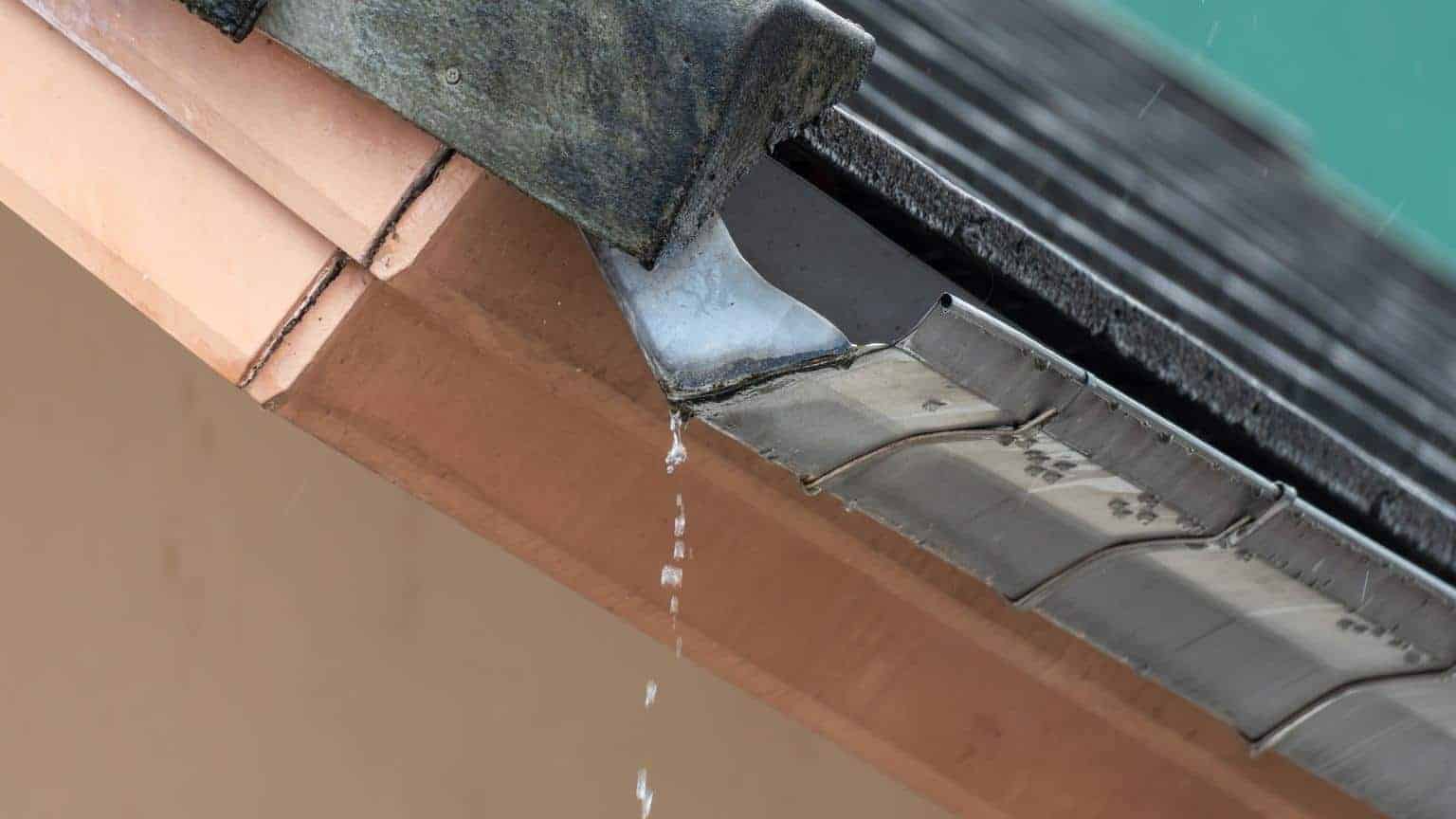
Gutters protect your home's foundation by directing rainwater away, preventing soil erosion, hydrostatic pressure, and frost heave. Without gutters, water can pool around your foundation, causing cracks, uneven settling, and costly repairs. Here’s what you need to know:
- Soil Erosion: Water pooling near your home washes away supporting soil, destabilizing your foundation.
- Hydrostatic Pressure: Saturated soil exerts lateral pressure on foundation walls, leading to cracks and leaks.
- Frost Heave: In cold climates, water near the foundation freezes, expands, and damages the structure.
Properly installed gutters with downspouts extending 5–10 feet away prevent these issues. Regular cleaning and inspections ensure gutters work efficiently, reducing the risk of foundation damage. Investing in gutter maintenance can save you thousands in repairs.
How Do My Gutters Affect My Foundation?
How Water Damages Foundations
Water that isn’t properly directed away from your home can set off a series of problems that jeopardize your foundation's strength. Knowing how water wreaks havoc on foundations helps emphasize the importance of having effective drainage systems - like well-installed gutters - to protect your home. Let’s break down the ways water can cause serious damage.
Soil Erosion and Foundation Instability
When water pools near your foundation, it doesn’t just sit idle - it actively erodes the soil that supports your home. Rainwater, if left unchecked, washes away soil around the foundation’s edge, gradually destabilizing it. Over time, this soil loss leads to uneven settling. As different sections of the foundation sink at varying rates, cracks begin to form in walls, floors, and brickwork. This issue becomes even worse in areas with certain types of soil. For instance, clay expands when wet, putting additional stress on the foundation, while silt tends to wash away easily, creating voids that allow the surrounding soil to shift. Installing gutters helps channel rainwater away from the foundation, reducing the risk of soil erosion.
Hydrostatic Pressure on Foundation Walls
Saturated soil around your foundation introduces another problem: hydrostatic pressure. When the soil becomes waterlogged, it pushes against your foundation walls with significant lateral force. Since foundation walls are designed to handle vertical loads, this sideways pressure can result in cracks or even bowing walls. Once walls are compromised, water can seep into your home, leading to issues like mold growth and pest infestations, particularly in crawl spaces. Gutters play a critical role here by preventing excessive soil saturation and the buildup of this damaging pressure. In colder regions, water-related damage takes on yet another form - frost heave.
Frost Heave in Cold Climates
In colder climates, frost heave poses a unique threat to foundations. When water in the soil freezes, it expands, pushing upward on the foundation and causing vertical cracks or uneven settling. The freeze-thaw cycle repeats over time, gradually worsening the damage. Poor drainage makes this problem worse by allowing more water to accumulate near the foundation, which then freezes and expands. This process is slow but relentless, much like a creeping earthquake that undermines your home’s stability. A well-designed gutter system helps prevent the water buildup that contributes to frost heave, protecting your foundation from this cold-weather hazard.
How Gutters Prevent Foundation Cracks
Now that we've covered how water can wreak havoc on foundations, let's dive into how gutters work to shield your home. A properly designed gutter system does more than just catch rain - it actively directs water away from your foundation. This protection is achieved through two main processes that work together to preserve your home’s structure.
Water Collection and Redirection
Gutters act as the first line of defense for your foundation against water damage. Rainwater flows from the roof into the gutter channels, which guide it toward downspouts strategically placed around your home.
Without gutters, water pours directly off the roof and onto the ground near the foundation. This creates concentrated water flow that saturates the soil. For example, a case study showed that clogged gutters caused a waterfall effect, eroding 18 inches of soil along a 20-foot foundation section in just one summer.
To work effectively, gutters should have a slight slope - about ¼ inch per 10 feet - to direct water toward downspouts. These downspouts need to extend at least 5–10 feet away from the foundation to prevent water from pooling nearby. If downspouts are too short or positioned too close to your home, water seeps into the soil near the foundation, causing it to expand. This creates hydrostatic pressure against the foundation walls, leading to cracks and instability.
Seamless gutters, which have fewer joints, are especially effective at minimizing leaks and ensuring smooth water flow.
For larger homes or areas with heavy rainfall, gutter size matters. A 4,500-square-foot home, for instance, typically requires 6-inch gutters with 8 downspouts. Standard 5-inch gutters with fewer downspouts can’t handle the volume of water during intense storms, leading to overflow that dumps water directly onto the soil around your foundation.
By efficiently redirecting water, gutters help maintain balanced soil moisture levels, which is crucial for foundation stability.
Maintaining Soil Moisture Balance
Beyond preventing immediate water overflow, gutters play a key role in preserving the soil’s integrity beneath your home. Foundations depend on stable, compacted soil. When gutters fail and water pools around your home, the soil becomes oversaturated and expands. During dry spells, that same soil shrinks and contracts.
This cycle of swelling and shrinking causes movement that your foundation isn’t built to handle. The result? Cracks in walls and floors, uneven settling, and doors or windows that stick unexpectedly. Gutters help keep soil moisture consistent by channeling water away, reducing the risk of these damaging shifts.
In areas with clay-rich soil, the stakes are even higher. Clay expands dramatically when wet, putting immense pressure on the foundation. If gutters fail, this soil repeatedly expands and contracts, pushing against your foundation like a slow but relentless force.
Take Hurricane Irma in 2017 as an example. Jacksonville received 15 inches of rain in just 36 hours. Homes with functioning gutters and proper drainage systems experienced minimal foundation issues, while properties with failing gutter systems faced severe soil saturation and foundation stress. This shows how gutters aren’t just helpful during regular rainfall - they’re essential during extreme weather events when water management is critical.
To complement gutters, the ground around your foundation should naturally slope away, with at least a 6-inch drop over the first 10 feet. Together, proper grading and a well-maintained gutter system create a water management plan that keeps soil moisture steady year-round, preventing the expansion and contraction cycles that lead to foundation damage.
Common Gutter Problems That Cause Foundation Damage
Even with well-designed systems, gutters can develop problems that jeopardize your home's foundation. Keeping gutters in good working order is essential to avoid water mismanagement, which can lead to serious foundation issues. When gutters fail, rainwater can end up pooling around your home, causing costly damage.
Clogged Gutters
Leaves, twigs, and other debris are some of the most common culprits behind gutter blockages. When gutters clog, water can't flow freely, leading to standing water that can sag or overflow. This overflow erodes the soil and puts pressure on foundation walls. To avoid this, make it a habit to clean your gutters at least twice a year, ideally in the spring and fall, when debris buildup is most likely.
Improper Slope or Detached Gutters
Gutters need a slight downward slope to guide water toward the downspouts efficiently. Without this slope, water can stagnate or spill over the edges. Detached or sagging gutters present another issue, as they allow water to run off uncontrollably near the foundation. This is especially problematic in areas with clay soil, which expands when wet and shrinks when dry. Over time, this cycle can lead to foundation cracks and structural instability, much like a slow-moving earthquake.
Short or Misplaced Downspouts
Even if your gutters are clean and properly sloped, downspouts that release water too close to the foundation can still cause trouble. Ideally, downspouts should extend 5 to 10 feet away from your home to keep water from saturating the soil near the foundation. If water pools too close, it can create uneven settling and localized pressure on the foundation. Consider extending your downspouts or using splash blocks to redirect water safely.
The table below highlights these common gutter problems and their effects on your foundation:
| Gutter Problem | What Happens | Impact on Foundation |
|---|---|---|
| Clogged gutters | Debris blocks water flow, causing overflow | Uneven settling and stress on foundation walls |
| Improper slope | Water drains slowly or spills over | Soil expansion and contraction cycles |
| Detached sections | Uncontrolled runoff near the foundation | Increased hydrostatic pressure |
| Short downspouts | Water discharged too close to the foundation | Saturation and localized damage |
sbb-itb-82bdcb5
Gutter Design and Maintenance Guidelines
Keeping your gutters in good shape is essential to protecting your home's foundation. A well-thought-out design paired with consistent maintenance ensures water flows away from your house, preventing it from pooling and causing damage.
Downspout Placement and Extensions
Downspouts play a crucial role in directing water away from your foundation. Ideally, they should extend 5 to 10 feet from your home's base to avoid water buildup near the foundation, which can create harmful hydrostatic pressure.
Here are a few ways to manage water flow effectively:
- Splash blocks: These catch water and direct it safely away from your home.
- Underground or French drains: These systems permanently carry water farther from your foundation.
The best choice depends on your property's drainage needs and soil type. For instance, homes built on clay soil - known to expand when wet - require extra attention to water redirection to avoid unnecessary stress on the foundation.
When selecting gutters, seamless designs are worth considering. These are custom-made to fit your home, reducing the number of seams where leaks can occur. They ensure efficient water capture and drainage. For durability, aluminum gutters with baked-on paint are a smart option. They resist rust and require less frequent repainting, making them a long-lasting choice.
Getting the design right is just the first step - maintenance is what keeps everything working smoothly.
Regular Cleaning and Inspections
Even the most efficient gutter systems need regular care to function properly. Aim to clean your gutters at least twice a year - once in spring and again in fall. These times are ideal because debris like leaves and twigs tends to accumulate during spring growth and autumn leaf fall. If your property has a lot of trees, you may need to clean them more often.
Regular inspections are just as important. After storms, check for sagging, cracks, or separation in your gutters. Also, make sure downspouts and splash blocks are still directing water away from the foundation, as these components can shift or get damaged over time.
Improper gutter slope is another issue to watch for. Without the right angle, water can pool and spill over the sides, running down exterior walls and collecting near the foundation. This can lead to cracks and structural issues.
For a more thorough assessment, consider hiring a professional annually or biannually. Experts can evaluate factors like your roof size, local rainfall, and drainage setup to ensure your gutters are providing adequate protection.
Installing Gutter Guards
Gutter guards are a practical way to cut down on maintenance while improving your gutter system's efficiency. They help keep out leaves, twigs, pine needles, and other debris, reducing the frequency of cleanings and ensuring smooth water flow during storms. Without them, clogged gutters can lead to rainwater overflowing and eroding soil around your foundation. The added weight of debris-filled gutters can also cause sagging and create gaps where water can seep behind the system.
While gutter guards won't eliminate maintenance entirely, they significantly reduce the workload. To get the most out of them, choose a style that suits your local environment and the type of debris common in your area. This ensures they perform effectively, even during heavy storms or peak debris seasons.
When to Call a Professional for Gutter Services
Sometimes, even with regular upkeep, gutters can fail. Recognizing the signs early can save you from expensive foundation repairs.
Signs of Gutter Failure
It’s essential to know when your gutters need professional attention. Here are some key warning signs:
- Sagging or pulling gutters: If your gutters are drooping or pulling away from the fascia boards, it’s often due to heavy debris, water buildup, or broken fasteners.
- Standing water: Water sitting in your gutters after a rainstorm indicates poor drainage.
- Overflowing gutters: Water spilling over the edges during rain suggests clogs or that your gutters are too small for the volume of water.
- Leaks and gaps: Water stains and gaps between gutter sections point to leaks, which can damage your siding.
Foundation-related issues are just as critical. A wet basement, mold, or mildew may signal that water isn’t draining properly and is instead seeping into your foundation. Other signs include soil erosion or settling around the foundation, uneven floors, windows or doors that stick, and white mineral deposits (efflorescence) on foundation walls. Additionally, cracked or detached downspouts need immediate attention. Downspouts should extend 5 to 10 feet away from your foundation to keep water at bay.
If you notice any of these issues, it’s time to bring in a professional for a thorough inspection.
Benefits of Professional Assessment
When gutters fail, a professional evaluation is invaluable. Experts don’t just look at your gutters - they examine your entire water management system to ensure your home is protected from water damage. This includes reviewing downspout placement, water flow paths, yard grading, and even soil composition to identify drainage issues.
Professionals also check for proper gutter slope and sizing to handle rainfall, especially in areas prone to heavy storms. They can install seamless gutters that are custom-fitted to your home, reducing the risk of leaks by eliminating seams.
Soil type and drainage patterns are also considered. For example, homes built on clay-rich soil, which drains slowly, require extra care. Similarly, properties at the base of slopes, with basement foundations, or with roofs that have minimal overhang benefit greatly from professional insight.
Contractors may suggest additional solutions like splash blocks, underground drains, or French drains for properties with poor drainage or heavy runoff. Gutter guards are another option to improve flow and reduce maintenance.
For example, Old World Roofing offers seamless gutter installation and maintenance designed to protect your foundation. They provide 5-inch and 6-inch seamless aluminum gutters with baked-on paint for durability and rust resistance. Their Whole Home Tune Up service includes gutter cleaning, ensuring your system is in top shape before problems arise. With an A+ BBB rating since 1991, their team has the expertise to assess your property and recommend tailored solutions for your drainage needs.
Investing in professional services can save you thousands in repairs. Foundation repairs alone can cost anywhere from a few thousand to tens of thousands of dollars, depending on the extent of the damage. Proper gutter installation and maintenance help prevent basement flooding, soil erosion, and structural issues. Plus, keeping your foundation dry improves energy efficiency, as waterlogged walls and foundations can make heating and cooling less effective.
Routine professional maintenance can extend the life of your gutters and reduce the need for emergency repairs during storms. A timely inspection and intervention can protect your home’s structure and prevent further damage down the road.
Conclusion
Your gutters play a crucial role in protecting your home's foundation from damage. As highlighted earlier, managing water effectively is essential to avoid foundation cracks and basement flooding. A well-maintained gutter system ensures water is directed away from your home, saving you from costly foundation repairs that can range from $10,000 to $50,000 - all for a relatively small maintenance cost of around $200.
But the benefits go beyond just saving money. Proper gutter care helps maintain your home's overall performance. Poor drainage can compromise your foundation, reduce energy efficiency, and affect indoor comfort. When your foundation walls stay dry, your insulation works as it should, and your HVAC system doesn’t have to work overtime to manage humidity levels.
Professional gutter services take a comprehensive approach to water management. They ensure your system is optimized with correctly placed downspouts, proper grading, and seamless gutters custom-fitted to your home. These seamless designs eliminate leak points and are built to withstand storms, reducing the risk of failure. This thorough strategy not only protects your foundation but also prepares your home to handle future weather challenges.
For homeowners in Colorado Springs, Old World Roofing offers seamless aluminum gutters with baked-on paint for long-lasting, rust-free performance. Their 5-inch and 6-inch options are designed to handle heavy rainfall and spring snowmelt. Additionally, their Whole Home Tune Up service includes meticulous gutter cleaning to keep everything running smoothly. With nearly five decades of experience and an A+ BBB rating since 1991, their team understands how Colorado's freeze-thaw cycles and hail storms impact gutter efficiency and foundation protection.
FAQs
How can I tell if my gutters are causing foundation problems?
Properly working gutters play a key role in protecting your home’s foundation. When gutters are clogged, damaged, or improperly installed, they can cause water to collect near the base of your home. Over time, this can lead to cracks and other structural issues. Telltale signs of gutter-related foundation problems include water stains or soil erosion near the foundation, sagging or overflowing gutters, and visible cracks in the foundation itself.
To avoid these problems, it’s important to keep your gutters clean, securely fastened, and directing water safely away from your home - ideally 5 to 10 feet using downspouts and extensions. Routine maintenance and professional inspections, like those provided by experienced contractors such as Old World Roofing, can help protect your home and prevent expensive foundation repairs.
What regular maintenance should I do to keep my gutters protecting my foundation?
Keeping your gutters in good shape is essential for protecting your home's foundation. Regularly clean them to clear out leaves, debris, and any blockages that might disrupt water flow. While you're at it, inspect for leaks, sagging sections, or any signs of damage - addressing these issues promptly helps ensure everything works as it should. Also, make sure your downspouts are directing water at least 5–10 feet away from your home. This prevents water from pooling near the foundation, which could lead to expensive repairs down the line. Well-maintained gutters are a simple but effective way to safeguard your home.
What types of gutters are best for preventing foundation damage?
Seamless gutters, offered in both 5-inch and 6-inch sizes, are a reliable solution for safeguarding your home's foundation. Constructed from sturdy aluminum, these gutters are rust-resistant and designed to efficiently channel water away from your property. Selecting the appropriate gutter size and material is a smart step toward preventing expensive foundation issues caused by water damage.